
Bakkah Clothing
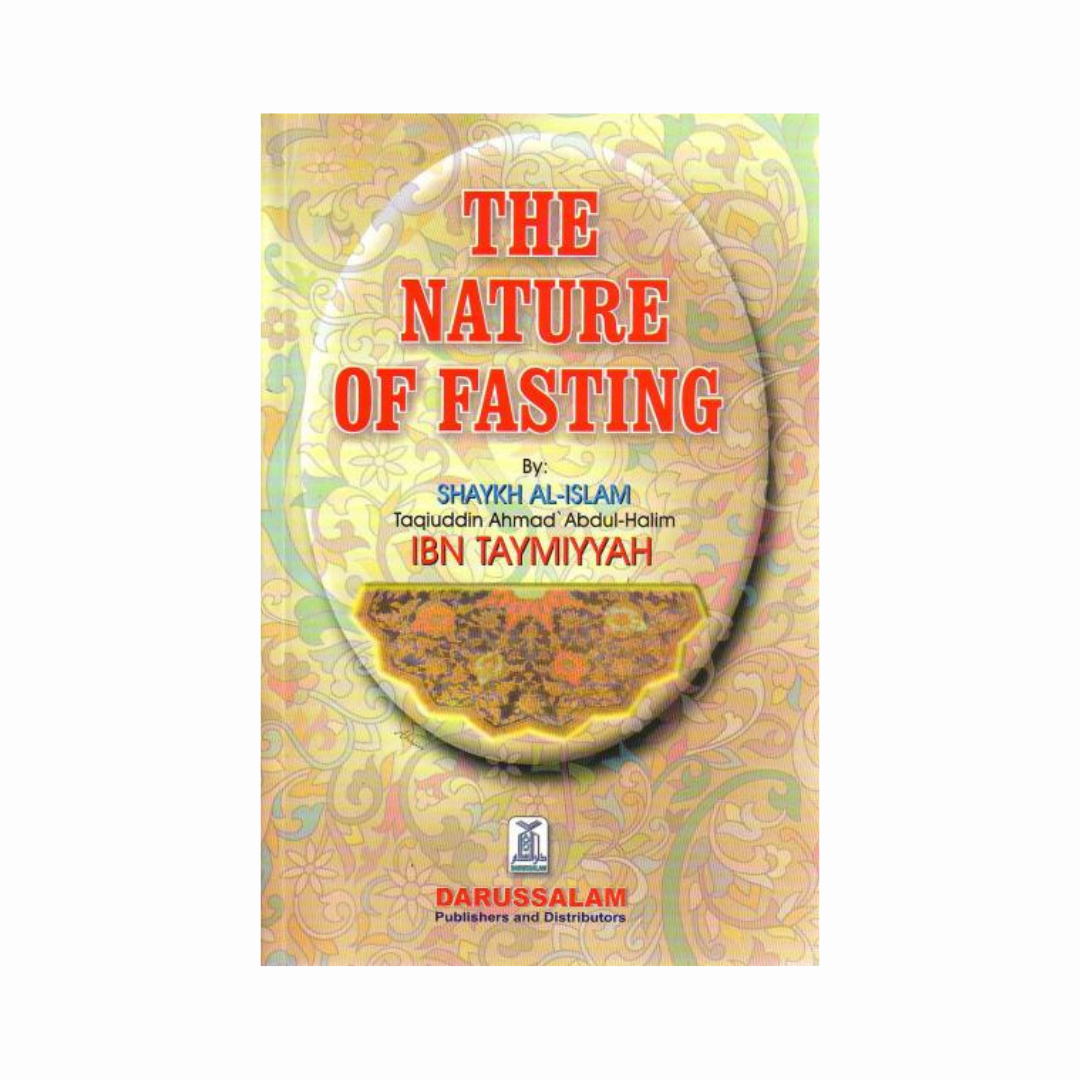
The Nature of Fasting by Ibn Taymiyyah
The Nature of Fasting by Ibn Taymiyyah
Couldn't load pickup availability
Most books on fasting give you a list. This one gives you the reasoning that produced the list — which is more work to read and considerably more useful afterwards.
Ibn Taymiyyah's approach here is characteristic: rather than enumerate every case, he establishes the usul, the governing principles, that determine what invalidates a fast and what does not. A reader who grasps them can settle situations the book never anticipated — which is the only durable solution, since new situations keep arriving.
The Questions It Answers
- The intention (niyyah) — and whether a fresh one is needed each day
- Fasting while traveling, and when it is better to fast or to break
- The doubtful day at the start and end of the month
- Eating after the first adhan
- Illness, fainting, pregnancy and other conditions that commonly arise
- What enters the body, and what actually counts as breaking the fast
In each case the ruling is tied back to the principle behind it, which is why the answers hold together rather than reading as a set of unrelated verdicts.
Beyond the Fiqh
Ibn Taymiyyah does not leave fasting as a legal exercise. He returns repeatedly to what it is for: Taqwa. The believer restrains not only appetite but the tongue, the eyes, the ears and the heart. The highest form of fasting joins outward compliance to inward sincerity, and a fast that satisfies the first while ignoring the second has met the legal requirement and missed the point.
Who It Is For
Students of knowledge, imams and teachers who are asked fasting questions every Ramadan and want to answer from principles rather than memory. Also the serious general reader — the book is demanding but not inaccessible, and it repays the effort by making every subsequent Ramadan clearer.
Share